Unsure between Oculus Quest, HTC Vive, or PSVR? We explain the best option based on how you intend to use your headsets and your budget.
Numerous VR devices are available on the market, some truly exceptional. Despite the significant advancements in recent years regarding visual quality, content, comfort, etc., it's crucial to recognize that virtual reality is a technology in transition, likely to continue evolving rapidly. Companies like Qualcomm (which manufactures the chips for most standalone VR headsets, including Oculus Quest) are developing new chips aimed at a wave of improvements, many designed to connect directly with mobile phones. This is arguably the biggest drawback of acquiring a VR device today: the latest technology available is likely to become outdated within a couple of years.
A prime example is the early mobile-powered devices, such as Samsung Gear VR and Google Daydream. This type of headset is now largely obsolete. If virtual reality returns from a mobile phone, it's most likely to be small headsets connecting to smartphones via USB-C.
Another increasingly popular option is connecting headsets to a PC to leverage the full power of your system (Mac users will find limited options here), although the need for external sensors can detract from the practical usability that we desire in our headsets.
And let's not forget gamers; consoles like PlayStation VR remain a highly recommended option, primarily due to the extensive game library available.
While augmented reality (and the still-nascent mixed reality) is gaining significant traction and appears to be the future, today it's a relatively immature technology. Therefore, virtual reality headsets remain the best option for exploring other worlds. We present our selection of recommended headsets for this 2020 year, during which we are spending more time at home due to the COVID-19 pandemic.
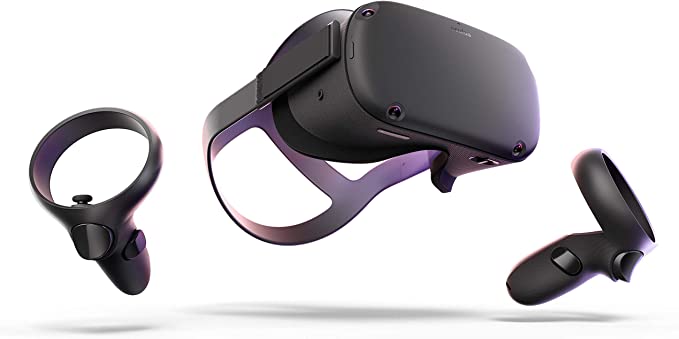
Oculus Quest (€450)
The Leading Standalone Headset
Positive Attributes: Standalone and wireless device; incredible touch controls; very comfortable design for gaming.
Negative Attributes: Limited application library; configuration restricts the use of more advanced applications and tools.
For €450, the Oculus Quest offers virtual reality gaming and a truly immersive experience. The Quest headsets are somewhat similar to the Nintendo Switch in terms of versatility and fun. Furthermore, it can be set up and ready to transport you to another dimension in just seconds.
This device features autonomous tracking controllers and six degrees of freedom (6DoF) movement, mirroring the capabilities of the Oculus Rift when connected to a PC. It boasts a surprisingly large, high-resolution display integrated into the headset. Applications are downloaded and stored directly onto the device. While its processor is limited, it allows for smooth gameplay of popular VR titles such as Beat Saber, Moss, and SuperHot VR, and can also connect to a PC via a single USB-C cable.
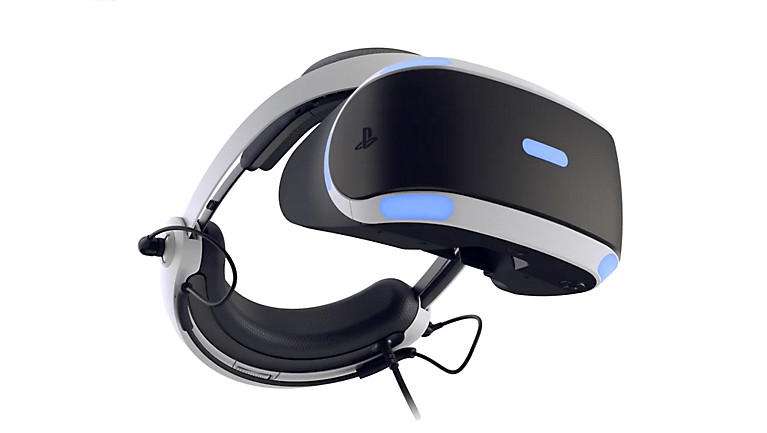
Sony PlayStation VR (€190)
For Demanding Gamers
PositiveExtensive game library; affordable price; compatible with many PS4 controllers like the DualShock and Move.
NegativeThe resolution is not cutting-edge; Sony is currently lagging behind the competition in this regard.
The Sony PSVR headsets, having been on the market for over 3 years, remain the only VR display for consoles. Despite this, they still offer a surprisingly immersive experience. Their affordability is a significant advantage, often available for less than €200, sometimes even including games. Sony has developed (and continues to develop) numerous excellent VR games, primarily exclusive titles. To use it, you need the PSVR, a PlayStation 4, and a desire to play. However, the PSVR is gradually becoming outdated compared to newer alternatives, and Sony will need to update its headsets to maintain its market dominance.
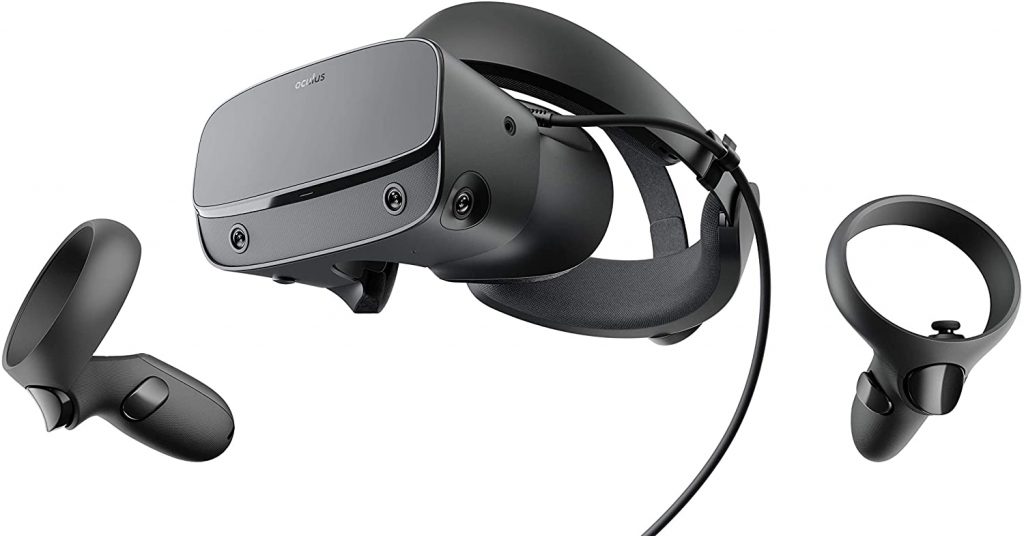
Oculus Rift S (€450)
The Best Option for Connecting to a PC
PositiveA complete package at a reasonable price; sharp display; dedicated audio positioning; excellent controllers.
NegativeBulky headset; less mobility compared to other VR devices.
The Oculus Rift S represents an improvement over the original PC VR headsets from 2016. The new version features a higher-resolution display and autonomous room-mapping using five cameras.
The Oculus game and application selection is compelling. It utilizes a cable connection to the PC, which is now more compact and user-friendly than the previous model’s cable.
Valve Index (€800)
Another Excellent Option for PC VR – Exploring the Future
PositiveInnovative, futuristic controllers; high-quality audio; compatible with Vive hardware.
Negative Relatively expensive; requires room setup and a tethered cable.
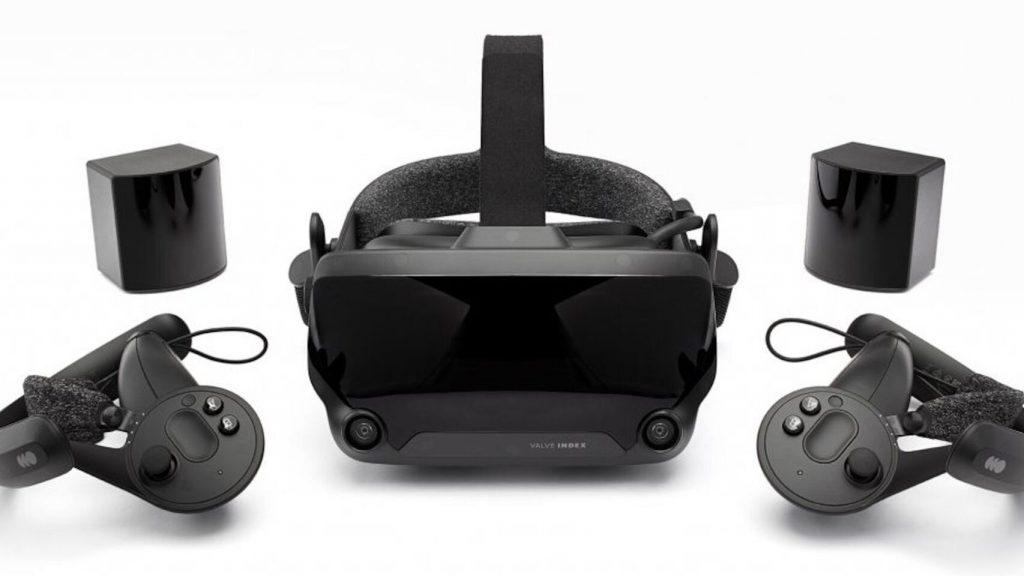
The Valve Index headsets could be the most interesting PC VR experience of the year, solely due to their new and stylish controllers. Valve’s ‘finger-knuckle’ controllers are pressure-sensitive and can track five fingers, creating a near-glove effect. There aren’t yet many applications to fully utilize them, but the Valve hardware is compatible with the HTC Vive, which runs on the Steam VR platform. It features excellent audio and a truly sharp and wide field of view.
The Index utilizes external cameras as a ‘lighthouse,’ meaning these cameras must be set up in the space where they will be used. This is less autonomous than the Oculus ‘Rift S,’ which can automatically track the room.
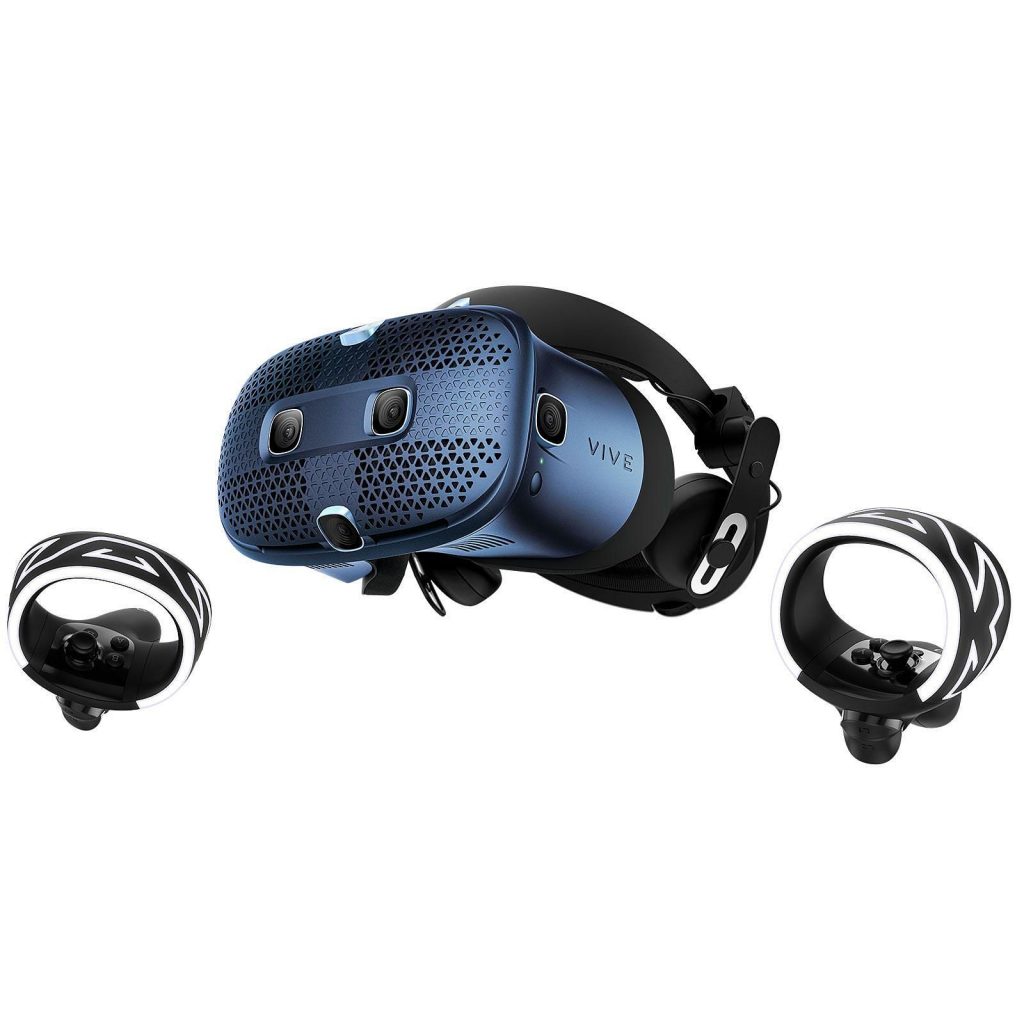
HTC Vive Cosmos (€900)
A flexible and modular system
Positive: The front display is modular, featuring integrated tracking and a swiveling visor
NegativeMore expensive than the Rift S or the original HTC Vive
The Vive Cosmos is an interesting option for PC VR, representing a new version of HTC Vive released in 2016. The Cosmos offers autonomous tracking similar to the Oculus Rift S and a higher-resolution display than the original Vive, in addition to interchangeable front plates for adding more cameras when used in mixed reality experiences.
It is a costly device, but its flexibility can be a valuable tool for developers. Furthermore, it benefits from compatibility with Valve Index accessories.