
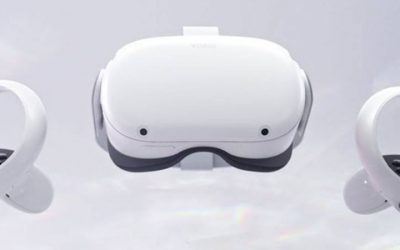
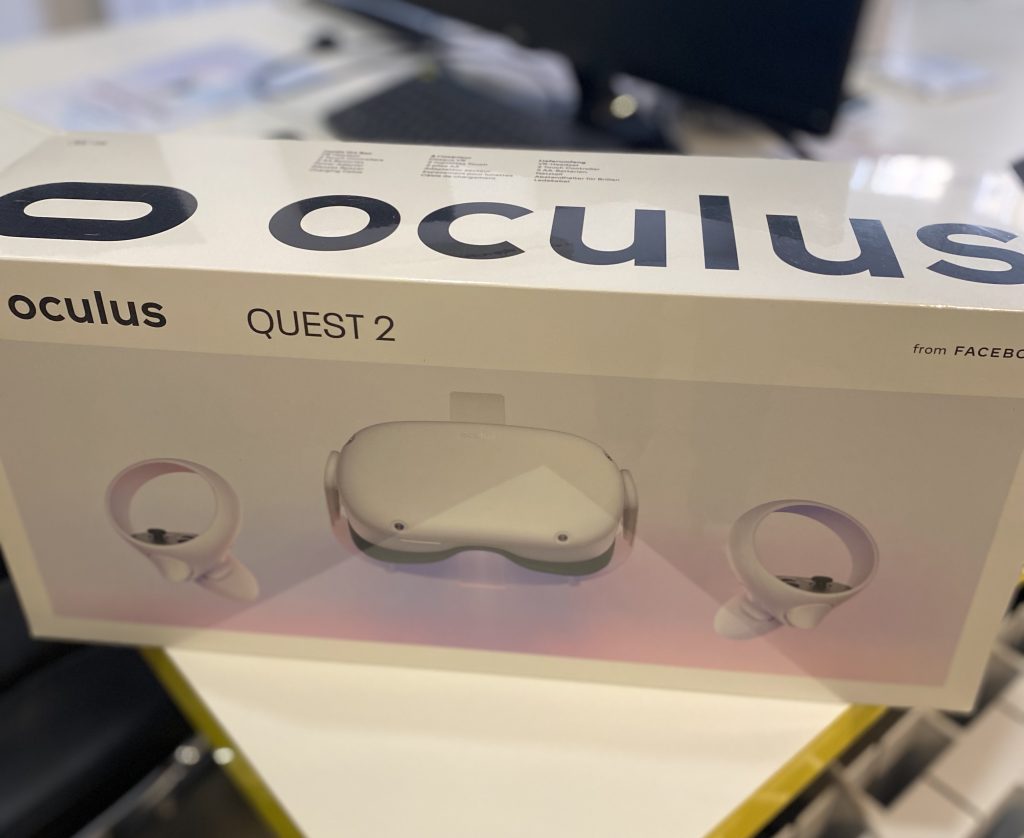
In October 2020, the latest device from the Oculus family, the Quest 2, was released to market. As we have done with previous models from the brand such as the Quest 1 or Oculus Go, Isostopy wants to analyze and share our experience with you.
The first thing to note is that this standalone VR device – meaning it doesn’t require cables – offers high-quality virtual reality experiences at a reasonable price, allowing users to explore a wide catalog of content with options to suit their interests, ranging from games to immersive experiences and 360° videos.
The new model is similar to the Oculus Quest 1, and therefore its operation is based on the ability to move freely through the surrounding physical space without fear of tripping over cables, walls, or objects.
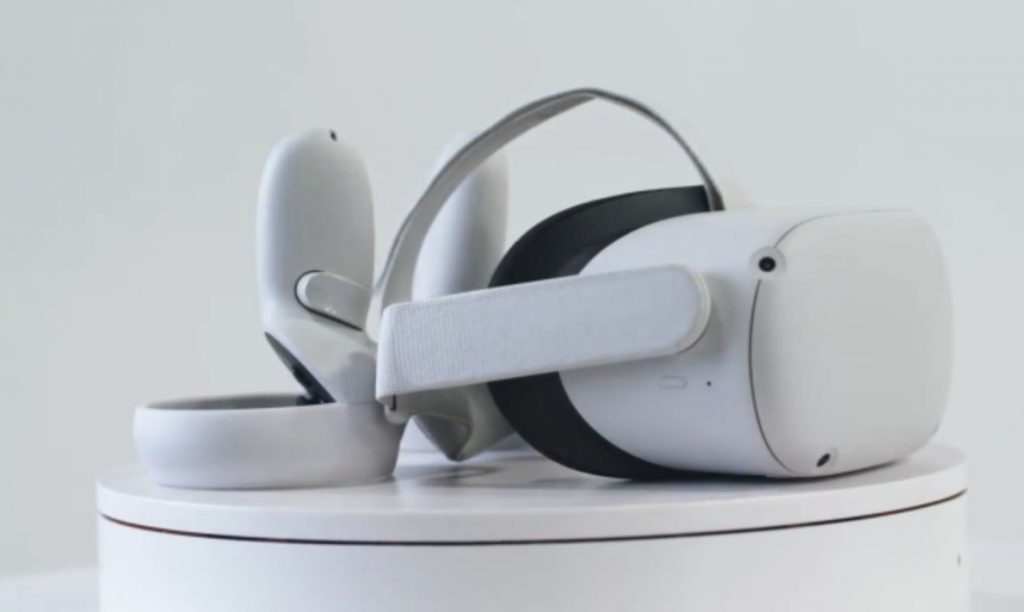
However, there are some notable changes that make the new model worthwhile. The Oculus Quest 2 generally offers a more immersive experience, thanks to the improved specifications of its RAM and chip, as well as a higher-resolution display, which is 50% sharper than its predecessor. Furthermore, the device is lighter, which provides a slight increase in comfort.
Additionally, developers now have the option to make their games run at 90Hz (important for achieving greater realism). The manual tracking, which arrived on the Quest original through a firmware update, but is included in the Quest 2 from the outset, is also impressive. This functionality allows the device’s cameras to directly monitor the movement of the user’s fingers instead of controllers.
Regarding the controllers, the new Facebook goggles come with two controllers (which have twice the battery life of their predecessors). They are quite comfortable and intuitive controls, both when using the trigger and the rest of the buttons. They are also slightly lighter than their predecessors, which does not make prolonged use heavy.
One of the major non-technical innovations is its new social experience, as it now requires having a Facebook account to activate its use. This has created some controversy among users, but given that it’s a requirement from the brand, little can be done about it.
All of this is good. However, the Quest 2 are likely the most accessible and feature-rich VR headset today, it still doesn’t resolve some of the challenges that virtual reality faces in general. For example, users can still experience a certain degree of motion sickness during scene navigation, which is inevitable in most VR headsets, even those that claim to have solved these problems.
Furthermore, achieving a good fit to ensure the screen is completely sharp can be difficult. These basic issues remain unresolved; for a new generation of hardware, the entire community expects to see more significant advances.
However, viewed from a broader perspective and considering these general issues across other devices, we can say that while the Oculus Quest 2 isn't flawless, it represents the closest the virtual reality market has achieved to a truly exceptional experience. It's undoubtedly a highly recommended gift for any VR enthusiast this holiday season.