

For approximately one year, the Isostopy team has embarked on an exciting project called Legacy, a journey through time to understand, through augmented reality and Web3D technology, the heritage, history, and legacy of Spain in the Pacific.
We will soon dedicate a post to detailing this work, which explores iconic locations in our history such as Guam, Baler, or Manila, but first, we will discuss the role of immersive technologies in the knowledge and dissemination of heritage or history.
Cultural heritage is an invaluable part of human identity. From ancient monuments to contemporary artworks, it is a source of connection to the past and inspiration for the future. However, the preservation and dissemination of this heritage always present challenges in a constantly evolving world. Here, virtual reality and augmented reality, innovative technologies, are revolutionizing how we interact with our past and cultural present.
Virtual reality immerses us in completely new digital worlds, while augmented reality overlays virtual elements onto the real world. Both technologies have enormous potential in the fields of conservation and dissemination of heritage, but what is their true impact?
One of the greatest benefits of immersive technology is its ability to recreate historical environments with impressive detail. Imagine walking the streets of ancient Rome, exploring the pyramids of Egypt, or admiring the paintings of an archaeological site, all from the comfort of your home. These experiences allow people around the world to access places and objects that would otherwise be out of their reach.
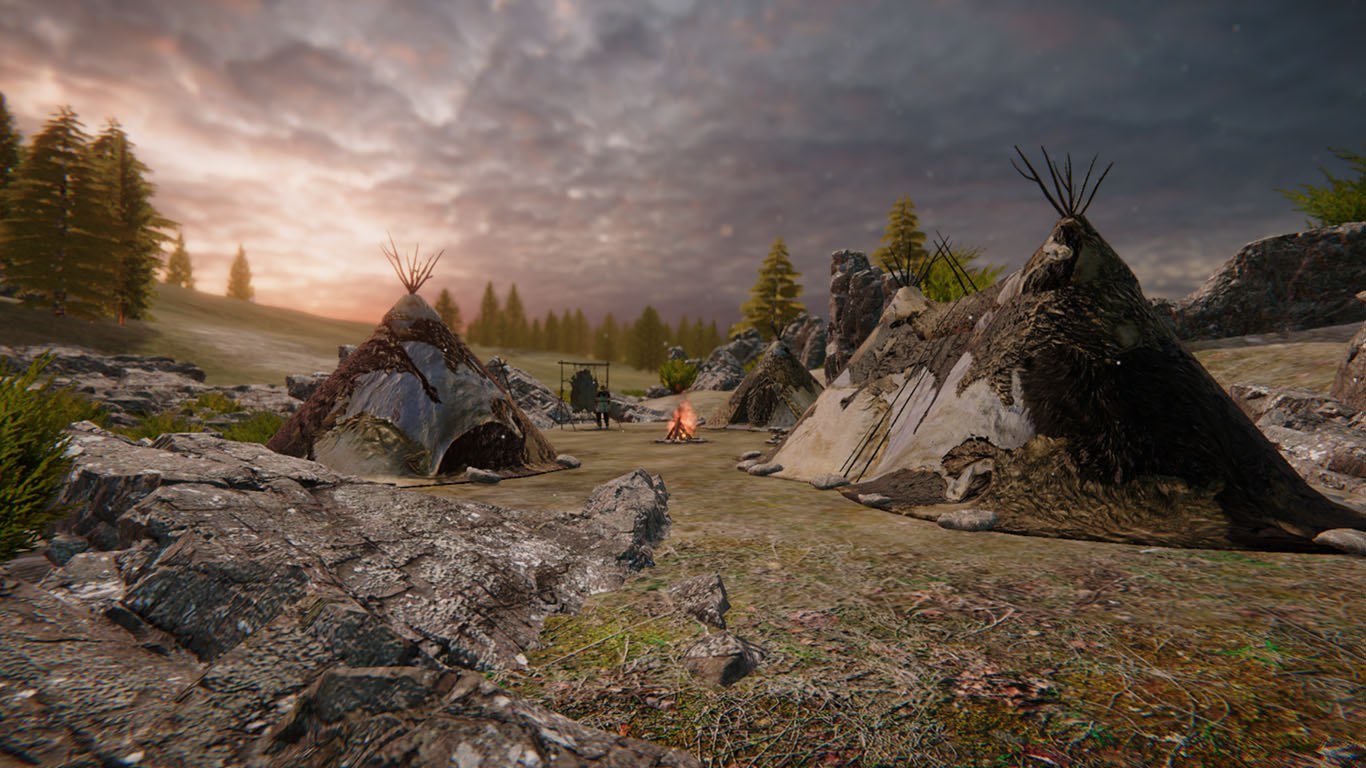
But this is not only relevant in the tourism sector; these technologies can also play a crucial role in heritage conservation. By creating precise digital models of buildings, movable objects, or decorative arts, conservators can study and preserve these objects without risking their physical integrity. This is particularly useful in the case of fragile objects or archaeological sites susceptible to deterioration.
However, the utility of extended reality extends beyond conservation; they also have great potential in cultural dissemination. Educational applications can transport students to different times and places, providing them with an immersive learning experience that goes beyond textbooks. This not only makes learning more exciting and accessible, but also helps preserve cultural knowledge for future generations.
This is also applicable to the field of museology and museography. Imagine visiting a museum and, instead of simply reading descriptions of artworks, you could see digital recreations of how those artworks looked in their original context, or even interact with them. These experiences make visits more engaging and foster a deeper, more meaningful understanding.
Despite the numerous benefits offered by immersive technology, it also presents significant challenges and ethical dilemmas. For instance, how do we ensure that digital recreations are both accurate and culturally sensitive? Crucially, rigorous historical or cultural content experiences rely on thorough pre-study and documentation processes during the modeling phase.
A key challenge is ensuring equitable access to this technology. While virtual and augmented reality have the potential to democratize access to cultural heritage, there's a risk of creating a digital divide where only those with sufficient resources can benefit. It's vital to prioritize accessibility for individuals across diverse backgrounds and socioeconomic levels.
Notwithstanding these challenges, the potential of virtual and augmented reality in the preservation and dissemination of heritage is undeniable. These technologies enable unprecedented exploration, learning, and connection with our past. From recreating ancient sites to developing immersive educational experiences, extended reality is transforming our engagement with cultural heritage, safeguarding our legacy for future generations.